#20 Focus Topic: SOLAR AS A THERMAL SHIELD
Solar does more than generate power, it protects your building
When most businesses look at installing commercial solar, the conversation usually starts (and ends) with:
• Payback period
• Return on investment
• Energy savings
All valid. All important.
But there’s another benefit that often gets overlooked, solar panels act as a thermal shield for your building.
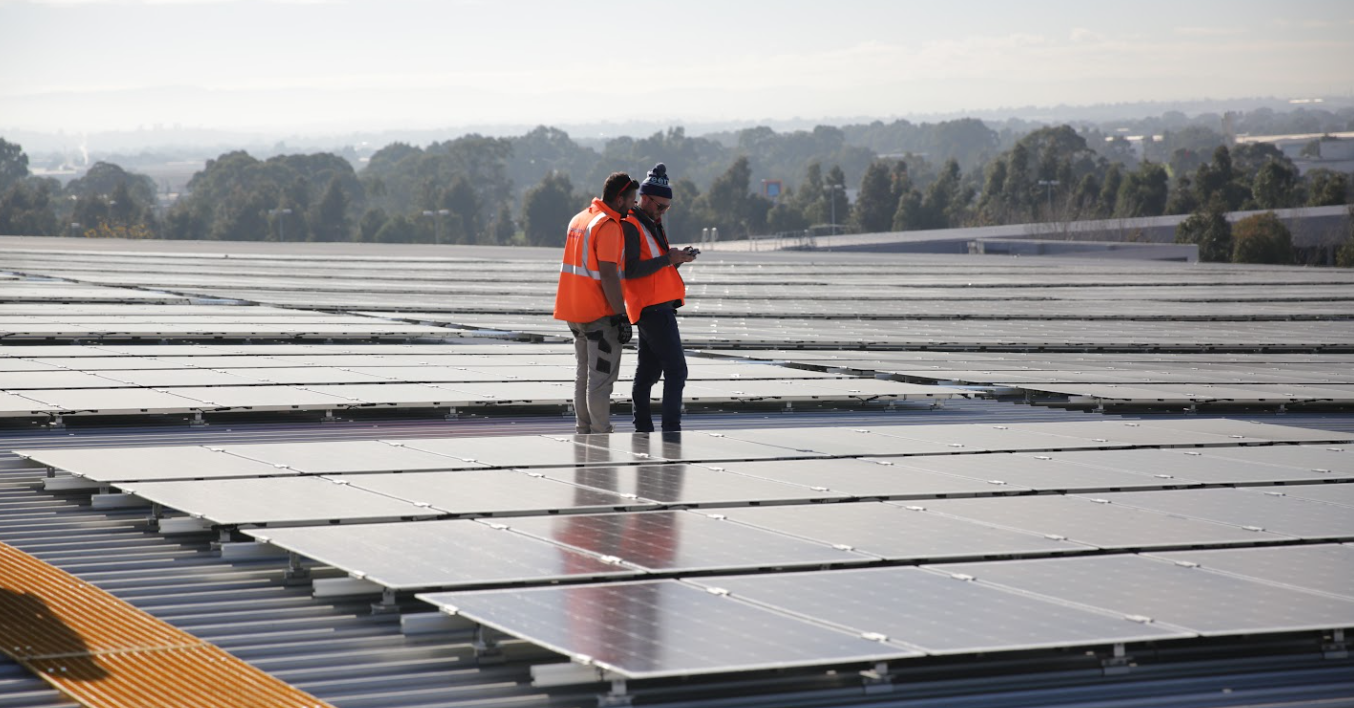
On roof-mounted systems, the panels don’t just generate electricity, they physically reduce the amount of heat entering the building, improving overall energy performance.
Why It Matters
A well-designed rooftop solar system can:
✅ Reduce heat transfer into the building
✅ Lower HVAC (heating and cooling) demand
✅ Improve internal comfort conditions
✅ Reduce peak cooling loads during hot periods
✅ Protect the roof surface from UV degradation
✅ Extend the lifespan of roofing materials
In many commercial buildings, HVAC can account for up to ~30% of total energy use, meaning even small reductions in heat load can have a significant financial impact.
How It Works
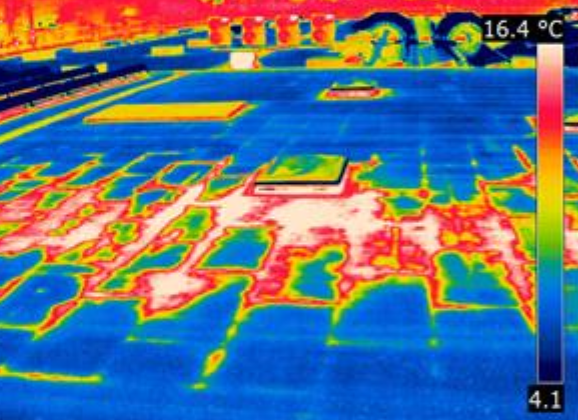
When panels are installed on a roof, they create a barrier between the sun and the building surface.
This thermal shield effect works through three main mechanisms:
Energy Conversion
✅ Around 16–20% of solar energy is converted into electricity
✅ That’s energy that never becomes heat on your roof
Reflection
✅ A portion of sunlight is reflected away from the panel surface
✅ Reducing heat absorption
Emittance & Airflow
✅ Panels absorb heat but re-emit much of it back into the atmosphere
✅ The air gap between the panel and roof allows airflow, carrying heat away
✅ This ventilation effect further reduces roof temperature
The Evidence
This isn’t just theory.
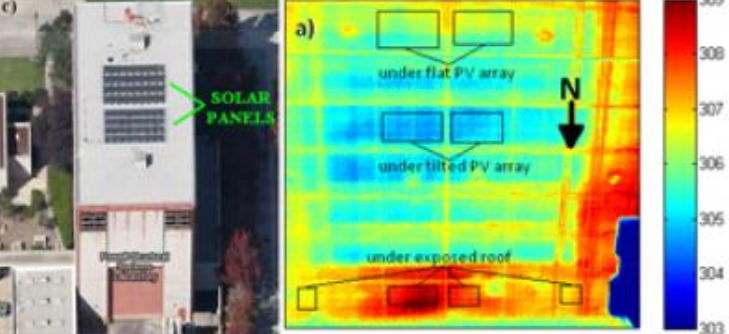
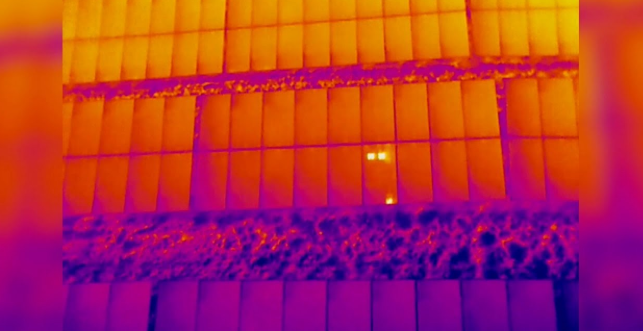
A study led by Professor Jan Kleissl (UC San Diego) used thermal imaging to compare roof sections with and without solar panels.
See link here: https://jacobsschool.ucsd.edu/news/release/1094?id=1094
Key findings:
✅ Roof areas under panels were up to ~2.8°C cooler during the day
✅ Solar panels reduced heat reaching the roof by ~38%
✅ At night, panels helped retain heat, reducing heating demand
This demonstrates that solar panels actively stabilise building temperatures, not just generate energy.
Additional Benefits
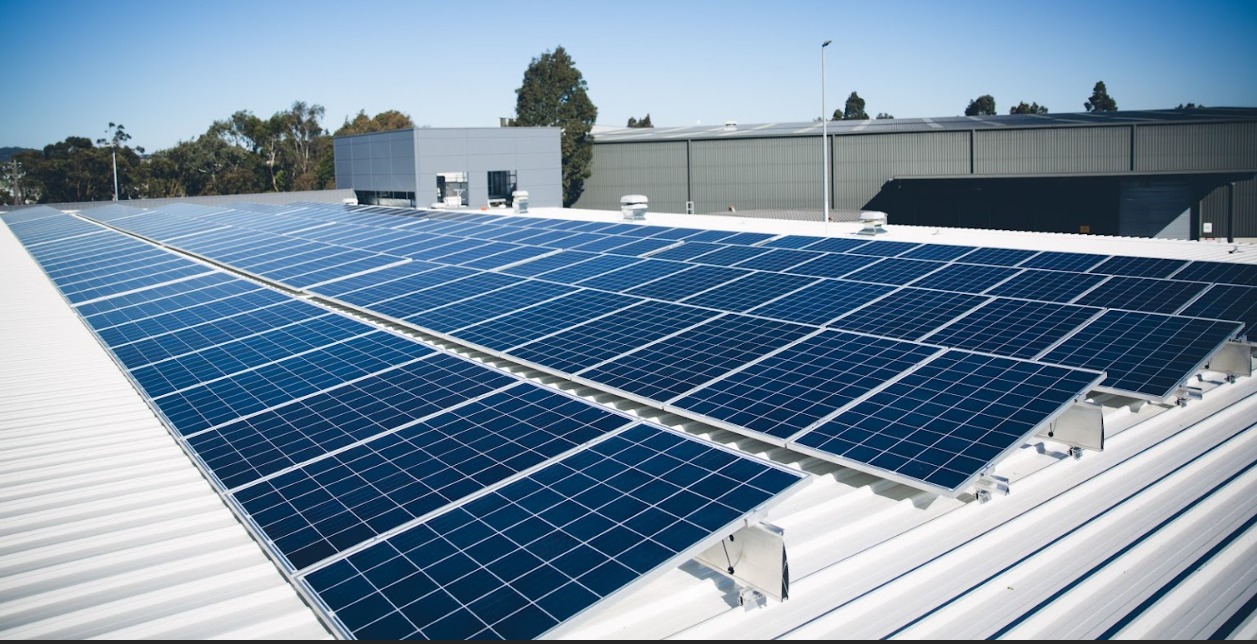
Beyond cooling, rooftop solar also provides:
Roof Protection
✅ Reduced UV exposure
✅ Slower material degradation
✅ Extended roof lifespan
Operational Efficiency
✅ Lower HVAC runtime
✅ Reduced maintenance strain on cooling systems
Whole-of-System Value
✅ Energy generation + energy reduction
✅ Improving overall project ROI
How We Apply This Thinking At Greenwood
At Greenwood, we don’t look at solar in isolation, we look at how it interacts with the building as a whole system.
When assessing a project, we consider:
✅ Roof type and thermal characteristics
✅ Airflow beneath the array (mounting design)
✅ Building usage and HVAC demand
✅ Integration with overall energy strategy
This ensures clients understand the full value of solar, not just the generation side.
Go Deeper
🎧 Renewable energy podcasts:
https://www.youtube.com/@GreenwoodSolutions/podcasts
🎥 Explore over 300+ videos on commercial solar and renewable energy projects:
https://www.youtube.com/@GreenwoodSolutions/videos
💬 Become part of the Community with free access to all our posts
This is part of an ongoing conversation about working smarter and designing better in renewable energy and commercial solar projects.